When it’s over. When this is done. When we get back to normal. That’s what we say to each other these days, meaning that once the virus has had its way with us, we will pick up where we left off.
I don’t see it that way.
Yes, schools and restaurants will open, freeways and airports will fill, and friends and families will once again gather to celebrate the benchmarks of life and, for a great many, to mourn those who had to die alone with a tube down their throats.
But we will never be as we were. If we learn anything from these weeks and months of uncertainly, suffering and dying, it is that we are vulnerable. We, as individuals, as a species, and as a communal society built on interdependency, are fragile. Our bodies, each born with an expiration date, can be easily infiltrated by a “submicroscopic agent” and betray us within weeks. The assault of pandemic illness on our civic infrastructure – schools, hospitals, public transport, commercial corridors and even urban greenspaces – transforms these bulwarks of civil society from benign, at times irritating but nonetheless necessary institutions into vectors of death. Our government, increasingly suspect for the self-interest of those who staff it and the lack of competence that always accompanies those who act in favor of political purpose over general beneficence, coils armadillo-like in the face of existential danger.
The virus has pierced the façade of modern life. What we see behind it is not the grand society we imagined our world to be but rather a warren of cubicles, small and windowless, each with only one door, forcing exit and entry from the same point. Here we live, interconnected by unlit labyrinthine corridors, our vision restricted to our cell, unable to grasp the extent or even the nature of the larger organism in which we live with symbiotic dependency. Each of us, so shaped by our own desires, preoccupations and truncated perspectives, is but a molecule in this living network.
All this the virus reveals. No, it will not ever be the way it was. Once a creature feels its vulnerability, once it confronts, unwillingly, its own mortality, it is never the same. A dog, once kicked, is never as friendly. A deer, once shot it, no longer walks so incautiously in the woods. A crow, once attacked, remembers the face of its assailant.
You might say human beings are smarter than animals. Intellectually, yes, but in matters of self-survival we learn more slowly than they do. We perch atop the food-chain of self-destruction. Individually, we kill ourselves with tobacco, booze, prescription drugs and shovelfuls of fat. We humans have yet to encounter a substance we have not abused. Collectively, we pillage the planet for its resources, consume, burn and explode them at a future-be-damned pace, ignore the plaints of our children to save some of the world for them, and manage our companies and run out governments as if nothing matters more than this quarter or the next election.
We are not the dog who has been kicked. We are the dog who keeps kicking himself.
Still, despite our selfishness, ignorance and obduracy, Covid-19 and the great pandemic of 2020 will scar us. Fragility is not easily forgotten. A job disappears in a blink, and with it those few weeks of savings. A grandmother dies. A playwright. Fifty-one Italian doctors. Fifty-one! The official message is: Be cautious. But the inner voice echoes: Be afraid. Be afraid of your grandchildren, be afraid of your neighbors, be afraid of the young lady who rings up your groceries, be afraid of the dog-walker and the deliverywoman. Be afraid of the doorknob, the handle, the box, the countertop. Be afraid of the air, especially the air.
That is a lot of fear to forget, and it will take time to fade.
Eventually, as did the Spanish flu of 102 years ago, Covid-19 will recede into a Wikipedia page. I will be dead by then, though, and so will many of you. Until then, when this is over, we will go on. But we won’t be the same. Ever.

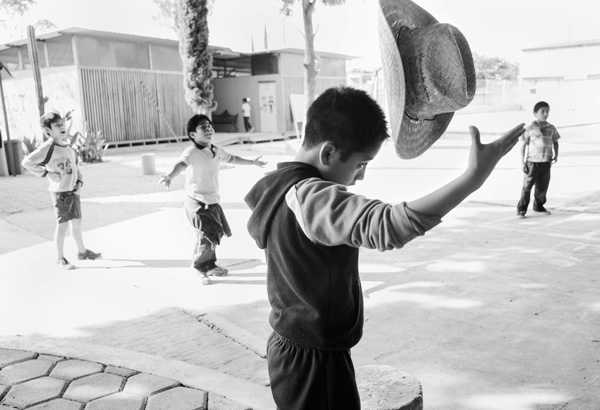
 I came home from Oaxaca ahead of schedule, something I’ve never done before. After 15 days, I was exhausted. Each day the heat and the humidity sapped me. At night, I’d recover, but not 100 percent, so I started each subsequent day with less than a full recharge. I walked five to eight miles a day. I had a thirst I could not slake, even with a several bottles of water at a time. I lost nearly five pounds. My rented room held the heat and sleep never really arrived for long. The day before I decided to leave, I played basketball with a group of kids for 90 minutes. Afterward, my body barked in loud protest. I answered by changing my flight.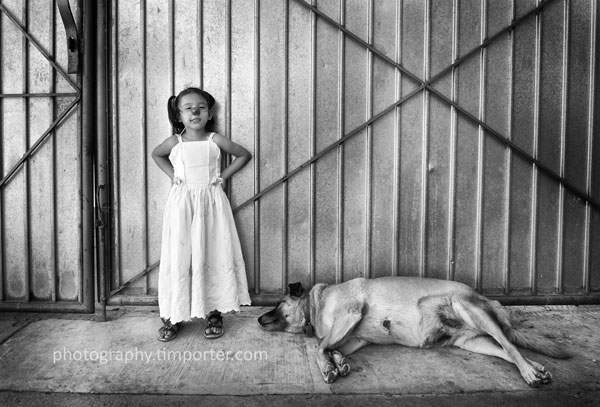
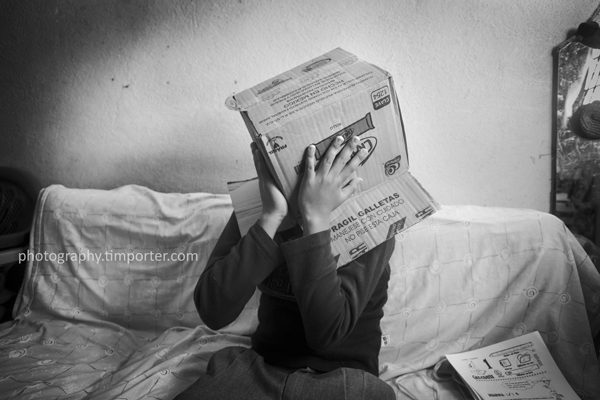 How was Oaxaca? That’s what everyone asks each time I return. It’s a polite, succinct question and what’s expected in return in the form of an answer is something similar in character, such as: “It was great, thanks.”
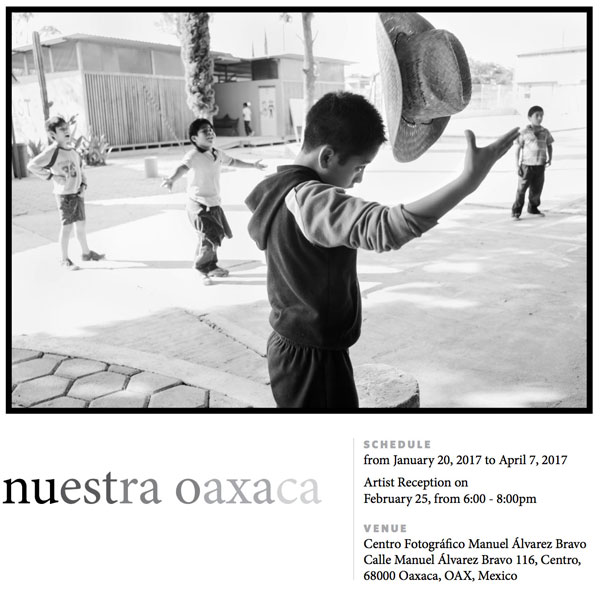 OAXACA, Mexico – The late documentary photographer
 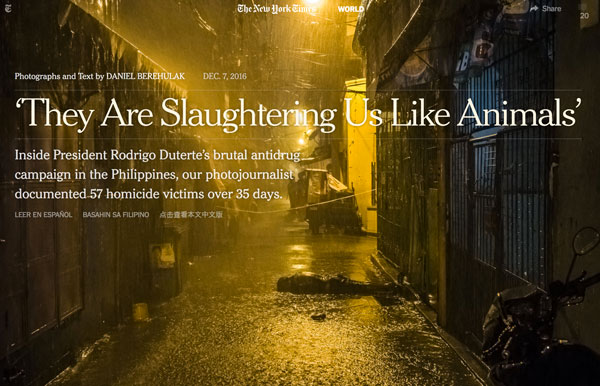 It is unsettling to me, someone who has spent the better part of his doing one form of journalism or another, that the brazen embrace of The Big Lie by politicians has become so prevalent that those of us who prefer facts over fiction find ourselves making a case for the importance of truth.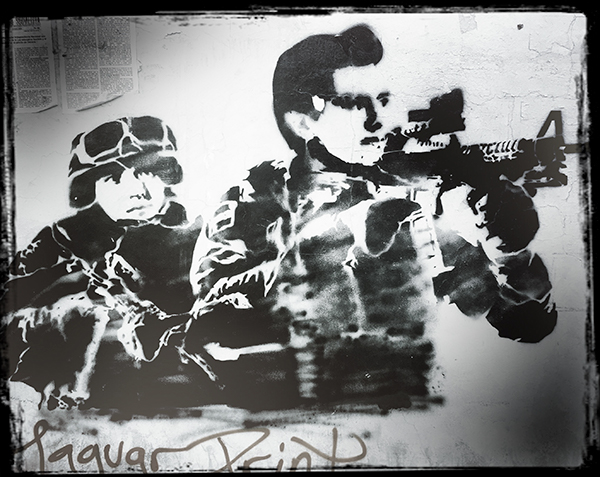
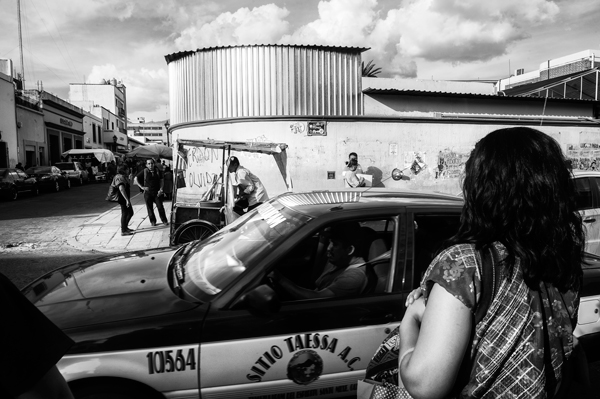
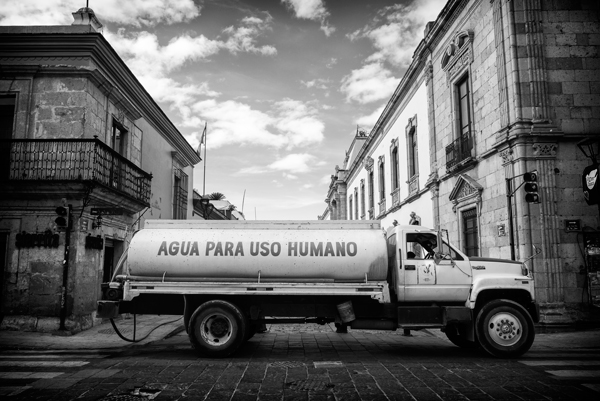
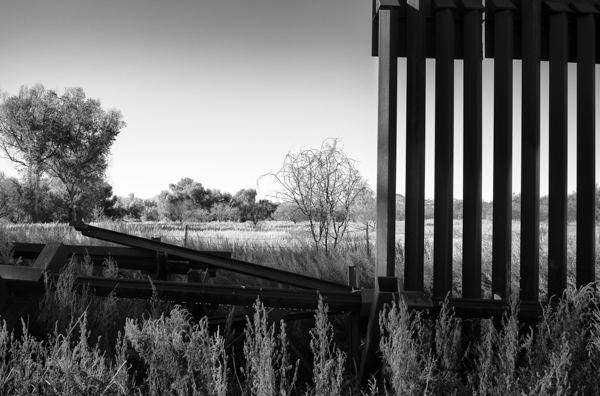 There’s nothing pretty about morning in Naco, Arizona. There’s no soft, early light. There’s no lingering cool of the waning night air. There’s no sense of leisurely awakening, no hint of the unfolding promise that a new day offers.

 Before I could say another word, a shoving match broke out between one of the members of the troupe with whom James was traveling and a well-coiffed hipster type who had entered the alleyway with two friends, another man and a woman. Everything about them was sharp and pointy – tight, tailored clothing, hair-dos razored to perfection, well-honed attitudes of superiority. The hipster slid backwards from the shove and dropped in slow motion, looking like the falling Don Draper in the opening sequence of Mad Men. The man in black jettisoned James and the boy and bear-hugged the guy who’d shoved the hipster. It was over.
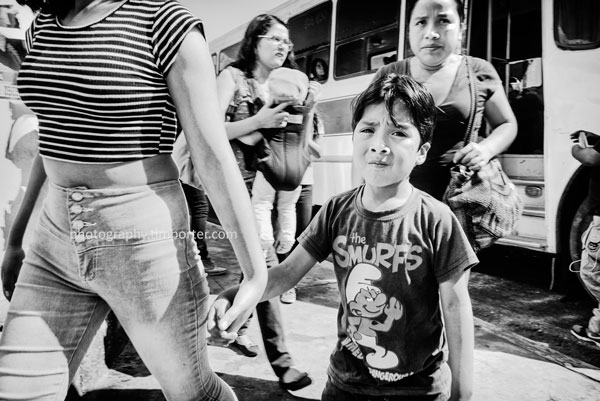 Some of us were in Oaxaca recently. We went at this time of the year because this was when
 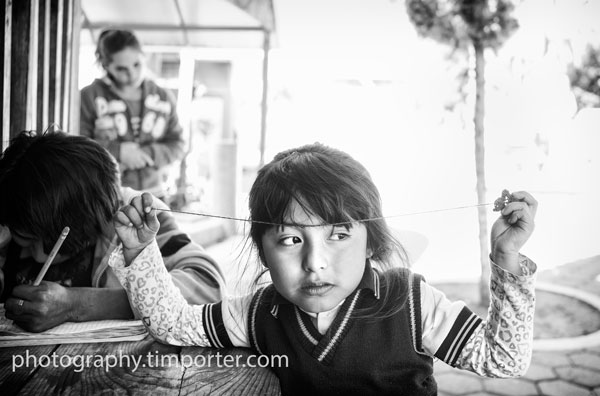 Some things I learned in Oaxaca this month: