
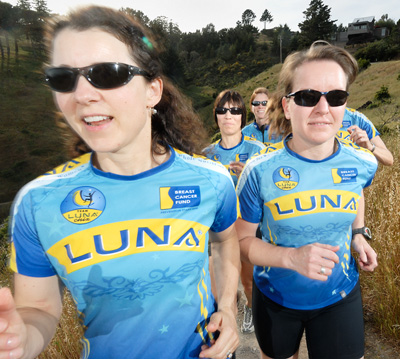
 One of my great challenges in photography has been making new techniques work the first time out on the job. I haven’t always been successful at that, so if the job permits (meaning there’s enough time or the art director doesn’t have a specific shot in mind) I usually plan on a back-up shot as well, something I’m sure I can pull off.
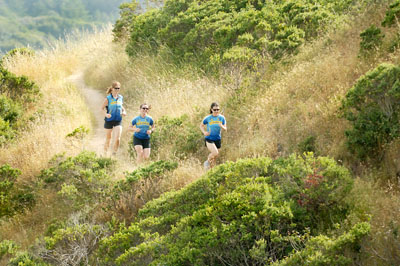
I shot the two pictures in this post to illustrate a story in Marin Magazine on trail running here in the Bay Area. The women belong to a Luna Chix running team headed by the magazine’s web mistress.
We chose a trail on Mt. Tam called the Sun Trail because it provided some great views (I wanted the context of the geography) and was close to a road (to cut down on the gear lugging.)
My original idea was to light three of the runners along a curve in the trail (like in the shot below), but after a few test shots I realized it would be very difficult to time the runners so a strobe hit each one as she passed. Also, I was shooting from 100 feet away on a rock out-cropping and would have needed an assistant to help reposition the lights after each test shot. Since this wasn’t a Chase Jarvis-type-budget-shoot, meaning it was just me and five runners, I went for Plan B.
First I shot three of the runners going through the curve. This was my sure shot. They were great sports because it was about 90 degrees out and they ran it a half-dozen times.
Then, I set up four SB800s along an upper portion of the trail — two in front and two along the side — and had them run toward me. When the led runner crossed a line I had made in the trail she shouted to me and I shot the group with a 12mm lens. I could only get off one frame each time since the flashes were firing on full power and needed recycle time, so the team ran it about 20 times. I did several variations of this shot, including backing way off with long lens.
The final shot (above) isn’t perfect, but it worked for the magazine and I learned a lot about lighting a group of moving people outdoors. Next time, I’ll concentrate more on separating each person, targeting them with an individual light and watching their expressions more.
The magazine used the above shot in the index and the below one as the lead shot for the story.
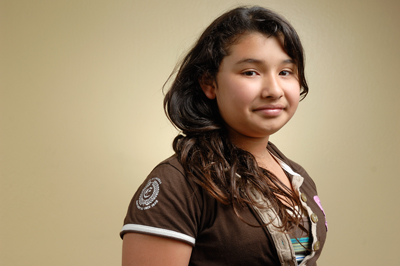
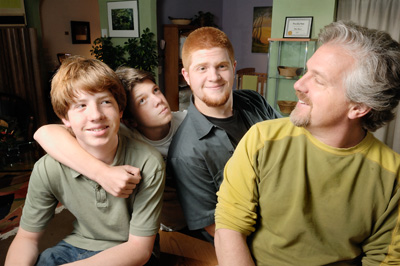 Just a quick post on this portrait because I am jamming to finish a couple of magazine projects before I head out of town for a working vacation — to the wedding of a friend in Cartagena. Vive los novios!
 Some people say their love affair with photography came when they first picked up a camera. It didn’t happen that way with me. I had been idly making snapshots with my first 35mm camera — a Pentax — for months before I felt a moment of magic, and that happened not with my eye in a viewfinder, but with my hands in a tray of developer. I fell in love with the print.
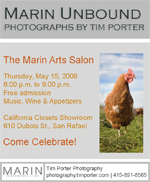 When I shot film, I came to live for the print because the print enabled me to see the image I’d made. Later, as I switched to digital I realized I didn’t need the print to experience the excitement of the image. There it was, on the computer, large and vibrant. I still enjoyed the “darkroom” work — enhancing contrast, extending tone, shaping color — but now the darkroom was dry and digital instead of damp and chemical, so I stopped printing.
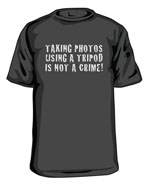 ging on basic civil liberties in others. Here are a few recent examples of America, home of the paranoid:

 Anyone who has worked in media knows the end product — magazine, newspaper, film — represents a series of choices and decisions made by individual creators, the team as a whole and, increasingly in films, the audience. (And, of course, web-based media like
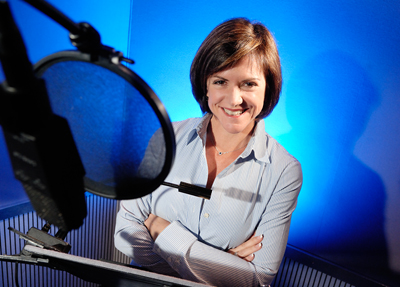
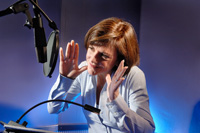 We shot for about 30 minutes in the booth, including a sequence in which she acted out some scenes (left).

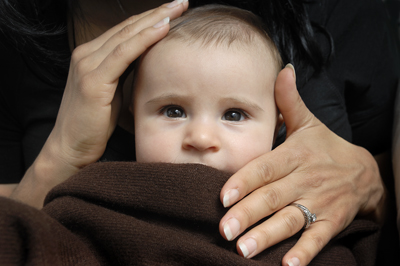 This is a story about a simple picture gone wrong and why a do-over is sometimes the right thing to do.
 Later, looking at the shoot in the computer, I kept thinking, “How could I blow a shot of a baby.” All I wanted was
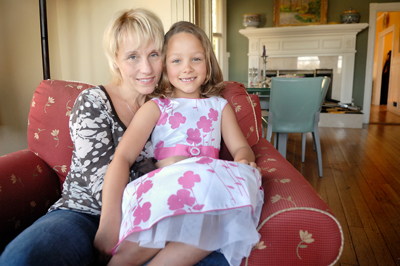
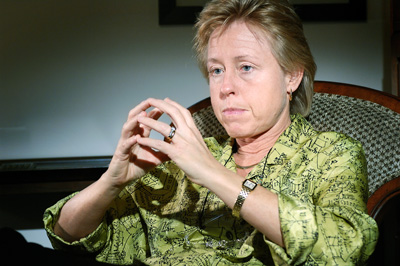 As much as I don’t like politics, I confess that I do like politicians – in person, at least. One on one, pols of various stripes are among the smartest, most engaging people I’ve met while doing journalism. They’re articulate, their words are pointed, and they share the same off-center sense of humor that is found in most newsrooms.


 The


